


How to Match Pipe Size, Wall Thickness and End Preparation
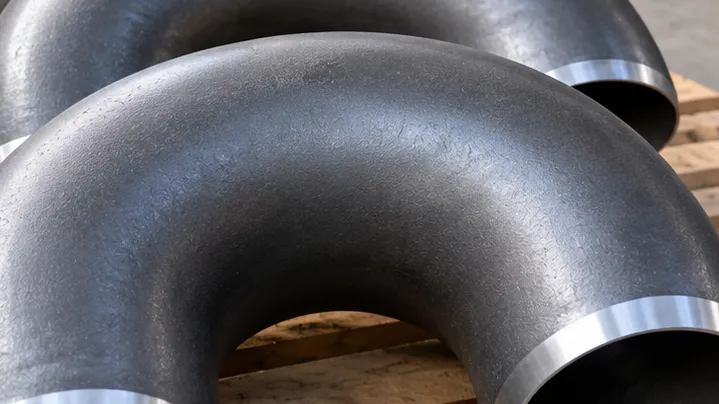
A 180° return bend pipe fitting can have the correct turn angle and still be the wrong fitting for the connected pipeline. The buyer must match the return to the adjoining pipe size, wall thickness, dimensional standard, return geometry, material and welding-end preparation. These variables interact: changing the wall thickness changes the bore and may change the weld transition, while changing the return radius changes the center-to-center space required for the U-turn. A workable RFQ therefore starts with the connected pipe and the layout drawing, then asks the supplier to return the exact fitting geometry and end condition being quoted.
Maigaotuo / MGTSP lists elbows, bends and related components within its pipe-fitting range. Its Pipe Bend page identifies 45° and 180° customized angle options, DN25-DN1200 nominal sizes, wall thickness matched to the pipeline and weld-prepared bevels. Those product facts support a fitting-matching discussion, but the project drawing or governing fitting standard still needs to define the exact 180° return required.
Why “180°” Is Not a Complete Fitting Specification
The angle tells the buyer that the flow path reverses direction. It does not define the complete physical envelope. A 180° return can differ in centerline radius, center-to-center distance, wall thickness, material, end preparation and manufacturing basis. In a congested piping rack, equipment skid or process line, those differences determine whether the fitting clears nearby components and whether the second pipe leg lands where the drawing expects.
This is the main reason a quotation for a carbon steel 180 degree elbow fitting cannot be evaluated by angle and nominal size alone. The buyer needs to know which dimensional system the supplier used and whether the offered geometry matches the connected pipe and available installation space.
180 Degree Return Bend Pipe Fitting Dimensions Start With the Connected Pipe
For 180 degree return bend pipe fitting dimensions, start with the line that the fitting must join. Record the nominal pipe size or outside diameter, the actual wall thickness, required material and the governing piping/fitting standard or project drawing. These values create the interface. Only after that should the fitting geometry be selected or confirmed.
Nominal pipe size by itself is not enough. The same nominal size can be used with more than one wall thickness, and that changes the internal bore and the amount of metal at the weld end. A return made for another wall thickness may require a transition or may not match the joint detail permitted by the project. For welded systems, wall mismatch can also increase fit-up work and create an internal step at the completed joint.
A practical RFQ line should therefore place the connected pipe and fitting information together: NPS/DN or OD, pipe wall, fitting wall, material, required 180° geometry, end preparation and quantity. This makes it harder for a generic fitting to be quoted just because the nominal size appears to match.
How to Verify the 180 Degree Pipe Return Bend Radius
The 180 degree pipe return bend radius controls much more than visual appearance. It changes the overall U-turn envelope, center-to-center distance between the two parallel legs, support location and available fabrication space. A radius that is acceptable from one engineering perspective may still be unusable if it moves the return outside the space allowed by the equipment or piping layout.
For factory-made wrought buttwelding fittings, ASME B16.9 is one common dimensional reference and covers dimensions, tolerances, ratings, testing and markings; the current ASME edition is B16.9-2024. It includes short-radius elbows and returns. A project, however, may follow a different standard system or a controlled fabrication drawing. The RFQ should identify the required reference instead of asking for an undefined “standard 180 return.”
LR Long Radius Pipe Elbow vs SR Short Radius Pipe Elbow
Searches for an LR long radius pipe elbow and an SR short radius pipe elbow reflect different space and geometry decisions. A shorter-radius return reduces the installation envelope but changes the curvature and centerline arrangement. A longer-radius configuration requires more space. Neither should be presented as universally better; the correct option is the one permitted by the piping class, drawing and applicable standard.
If a supplier proposes a different radius from the project drawing, the change should be stated as a deviation in the quotation. Treating radius as a minor factory detail can create a late-stage fit problem even when material and nominal size are correct.
Center-to-Center Distance Can Decide Whether the Return Fits
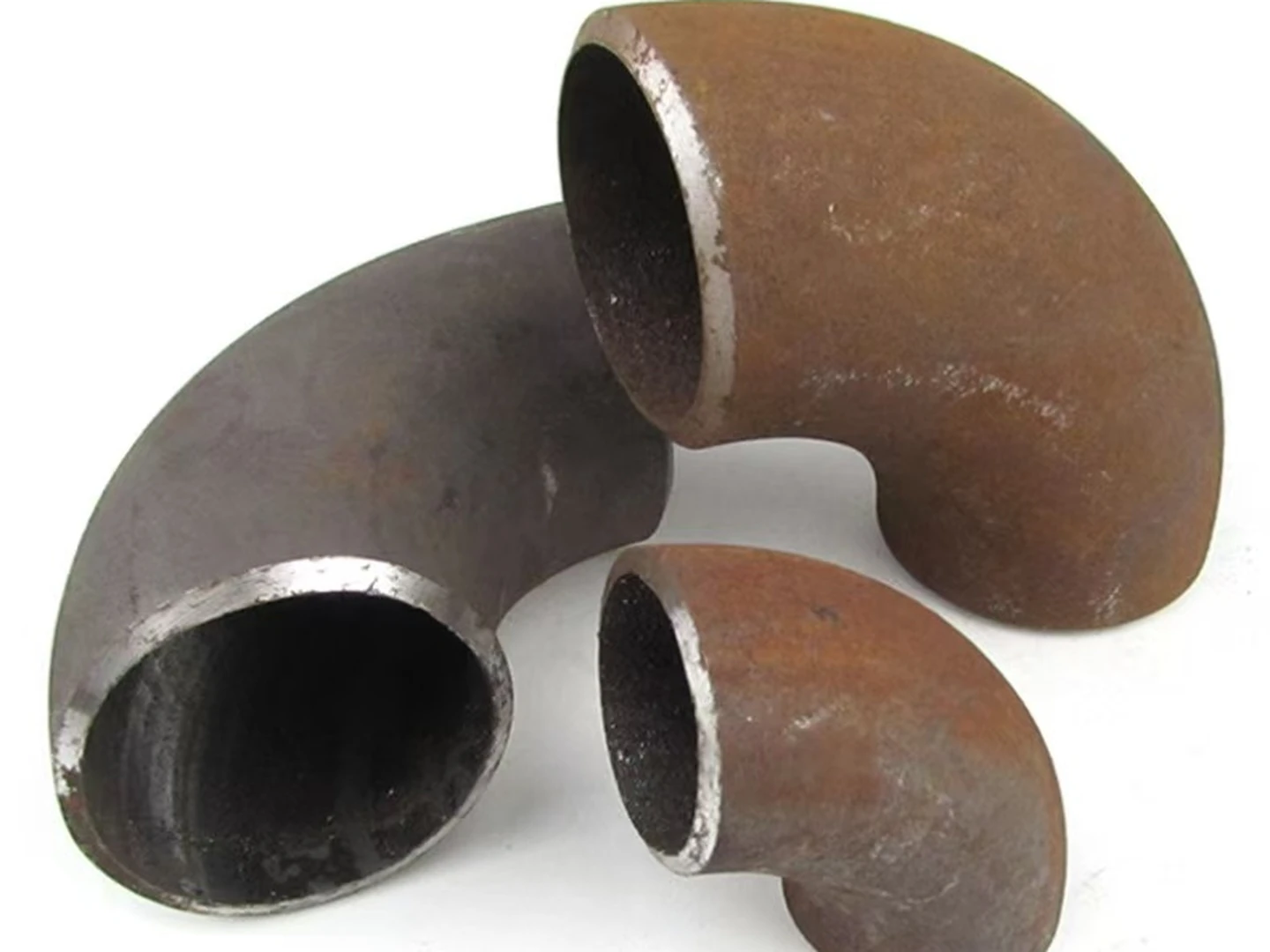
In a U-turn arrangement, the return radius translates into a center-to-center distance between the two parallel pipe legs. That dimension can be a fixed interface with pumps, headers, skid frames, supports or existing nozzles. A fitting can satisfy its 180° angle while still moving the second pipe leg away from the location shown on the fabrication drawing.
Some custom bend arrangements may also include straight tangent lengths before or after the curved section. If tangents are required, they should be shown on the drawing and included in the dimensional check. If they are not required, they should not be added by assumption. This is why a technical quotation should return critical dimensions, not just a product name and size.
Match Wall Thickness Before Finalizing the Weld Interface
Wall thickness is a connection variable as well as a pressure/design variable. The adjoining pipe and return need an acceptable transition at the weld. If their walls differ, the project may require internal or external tapering, machining or another preparation defined by the governing code, welding procedure or project detail.
This is why a butt weld 180 degree return bend should be reviewed together with the connected pipe wall rather than ordered from a generic elbow list. The buyer should show both components in the same line-item schedule and identify any permitted wall transition. The supplier should return the actual wall offered and state whether any end shaping is included.
The phrase “butt weld” describes the intended connection. It does not by itself prove a fitting is seamless, establish the material grade or define the inspection package. Those items still need their own specifications.
End Preparation for a Butt Weld 180 Degree Return Bend
The 180 return bend end bevel has to match the welding plan. ASME B16.25 is one common reference for preparation of buttwelding ends and includes welding bevels plus internal and external shaping of heavy-wall components. A project may instead use another standard or a project-specific welding detail, so the controlled requirement should be stated in the RFQ or drawing.
Calling for a “weld-ready bevel” is useful as a commercial description but is not a complete acceptance criterion. The buyer still needs to know whether the bevel, root face, bore transition and tolerances match the mating pipe and approved WPS. This becomes especially important when the pipe and fitting wall thicknesses differ.
MGTSP’s Pipe Bend page lists weld-prepared bevels for its pipe-bend product family. For a specific 180° return order, procurement should ask the supplier to confirm the end preparation on the quotation or drawing instead of assuming one bevel detail applies to every wall thickness.
Material Selection Must Follow the Piping Specification
A return bend is part of a piping system, so material should not be selected independently from the line class. Service temperature, fluid, corrosion allowance, pressure design and project material rules may affect the required fitting material. The correct purchasing question is not simply “carbon steel or stainless steel?” but “which material is approved for this line and can be documented against the project requirement?”
If a supplier proposes a grade different from the piping specification, that proposal should be treated as a technical deviation and reviewed accordingly. A product page can confirm that a supplier handles the fitting family; it cannot replace the project engineer’s material selection.
What Should the Fabrication Drawing Show?
A fabrication or purchase drawing is most useful when it removes geometric assumptions. At minimum, it should identify the connected pipe size and wall, return angle, required radius or centerline geometry, overall dimensions needed for fit, material, end preparation and any straight tangent requirement. If the return is part of a prefabricated spool, show the orientation and critical weld-to-weld dimensions as well.
For a custom steel pipe elbow or nonstandard return, the drawing becomes even more important because a standard catalog table may not describe the ordered geometry. The supplier response should either acknowledge the buyer drawing, return a fabrication drawing for approval, or list every deviation that changes the interface.
“According to drawing” is not enough without revision control. The RFQ and quotation should identify the drawing number and revision used for pricing so later design changes do not silently create a mismatch between purchasing and fabrication.
Dimensional Inspection and Material Inspection Prove Different Things
Receiving teams often focus on the material certificate because it is easy to review before shipment. For a 180° return, however, a correct material grade does not prove that the centerline geometry, end dimensions or bevel match the approved drawing. The inspection plan should therefore separate material verification from dimensional verification.
Where dimensional records are required, identify which dimensions are critical to fit: pipe-end OD, wall at the connection, center-to-center spacing, radius or another drawing-controlled dimension, and the end-preparation geometry. This creates a stronger acceptance basis than a generic statement that the fitting was “checked before shipment.”
Why Two 180° Return Quotations Can Describe Different Fittings
One supplier may quote a standard factory-made butt-weld return. Another may quote a fabricated or custom bend based on a drawing. Both can write “180° return” in the description, yet their radius, wall, end condition, material, inspection scope and tolerances can differ. Comparing unit price before normalizing these fields is not a valid commercial comparison.
| Fit-Check Item | Buyer Input | Supplier Confirmation | Mismatch Risk |
|---|---|---|---|
| Connected pipe | NPS/DN or OD plus wall thickness | Compatible fitting size and wall | Wrong bore or weld fit-up |
| Return geometry | 180° plus required standard/drawing | Radius and critical dimensions | U-turn does not fit the layout |
| Material | Approved line/fitting material | Offered grade and material reference | Unapproved substitution |
| End preparation | WPS/standard/drawing requirement | Bevel and transition included | Field or shop rework |
| Inspection/docs | MTC/test/inspection scope | Evidence included in supply | Receiving or acceptance dispute |
| Drawing control | Drawing number and revision | Quoted revision plus deviations | Fabrication to obsolete geometry |
If the project requires a steel pipe elbow material test certificate, check the certificate against the fitting material and physical identification. But remember what it cannot prove: an MTC does not confirm dimensional fit. Geometry and bevel condition must be verified through the applicable standard, approved drawing and dimensional inspection records.
What to Send With the RFQ
The buyer should send the connected pipe specification, required material, wall thickness, 180° geometry, applicable fitting standard or drawing, end-preparation requirement, inspection/document package and drawing revision in one controlled schedule. The supplier should repeat those fields in the quotation and list deviations separately.
The Elbow product family and Pipe Bend page can be used to shortlist the relevant product direction. Final fit, however, should be confirmed against the actual line and drawing.
Project teams that need fitting matching can send the pipe schedule and geometry through the Maigaotuo inquiry page. The purchasing decision should be based on a return bend that is dimensionally, materially and documentarily compatible with the line—not simply on the fact that two quotations both contain the words “180° elbow.”