
How Should Buyers Match a Carbon Steel Equal Tee to a Piping Application?
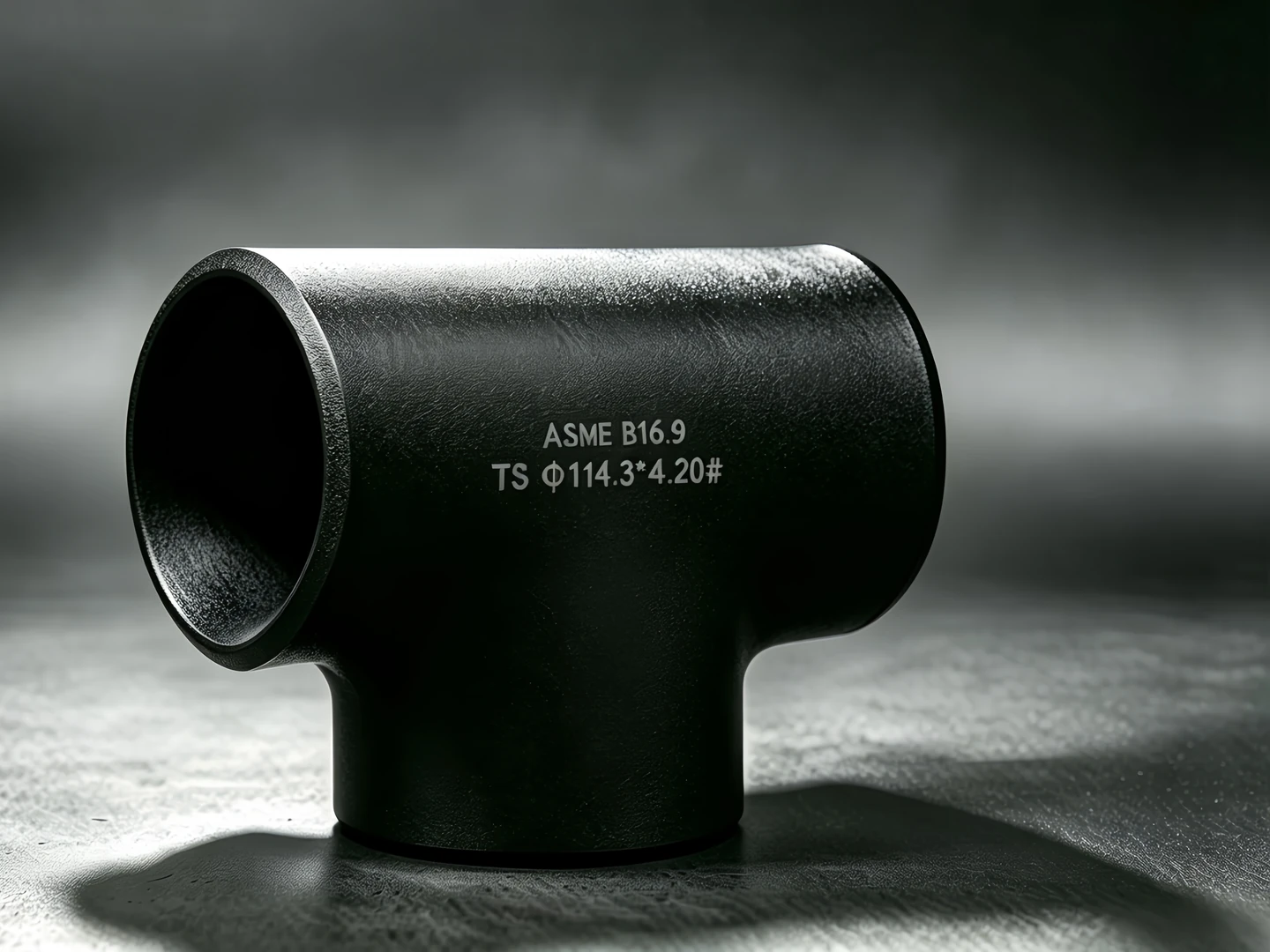
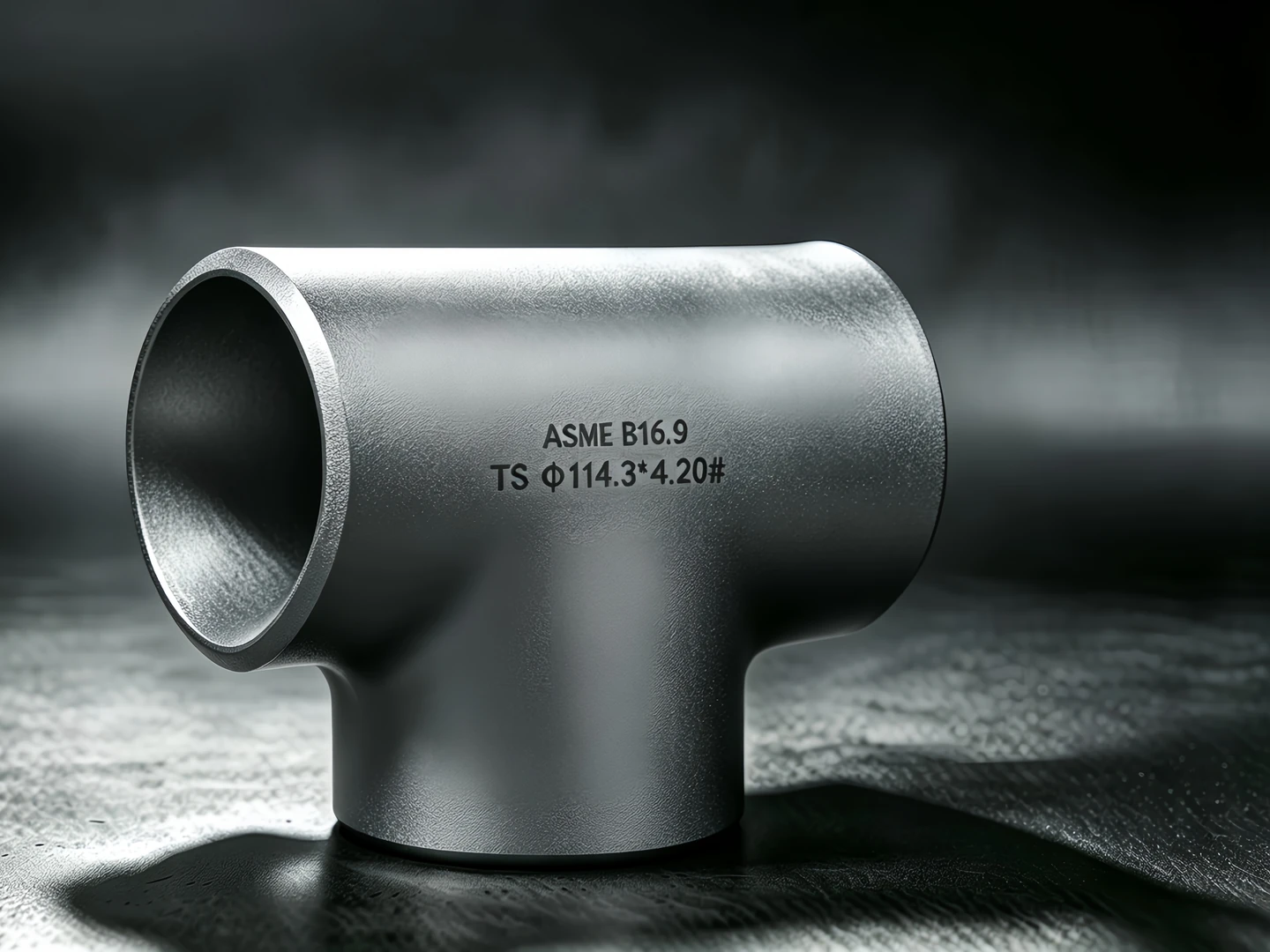
A carbon steel equal tee fits a piping application only when the run and branch are intended to use the same nominal size and the fitting also matches the line class, wall thickness, material specification, design conditions, joining method, dimensional standard and inspection plan. Equal size alone is not enough. A tee can match the pipe diameter yet still create a spool-fit problem, weld mismatch, material nonconformance or traceability gap. Selection should move forward only after the piping drawing or line list is translated into a complete fitting specification and the supplier returns product-specific evidence for the offered tee.
The tee product category helps buyers review the available branch-fitting family. The next decision is whether an equal tee is the correct branch geometry and, if it is, which material, wall, end and inspection requirements must be locked before quotation approval.
Start With the Branching Function, Not the Fitting Name
An equal tee has the same nominal size at the run and branch connections. It is a logical candidate when the piping layout requires a full-size branch, but it does not guarantee equal flow through both paths. Flow distribution still depends on system pressure, downstream resistance, valve positions, operating rate and the broader piping design. The tee specification should therefore follow the approved process and piping layout rather than an assumption that an equal-size branch will divide flow equally.
When the branch pipe is smaller than the run, a reducing tee or another engineered branch connection may be required. When the project uses a threaded, socket-welded, flanged or fabricated branch, a butt-welding equal tee description may point to the wrong product family. The first application check is simple: confirm the nominal size and connection method at all three ends directly from the line list, piping class, isometric or approved drawing.
Space can also change the route. A standard tee has defined center-to-end geometry. If the spool layout cannot accept that envelope, shortening the fitting in the field can affect end preparation and the approved dimension. A fabricated branch, special fitting or revised spool may be necessary. The supplier should not be asked to solve that conflict from a verbal size request; the drawing must show the available centerlines and adjacent weld locations.
Three Specification Layers Must Agree
A piping tee is normally governed by more than one document. The project piping code or line class defines the system requirements. A dimensional or product standard defines the fitting geometry, tolerances, marking and other product rules. A material specification defines the grade, chemistry, mechanical properties, heat treatment and required test records. These layers have different jobs, and listing one does not automatically define the others.
For example, ASME B16.9 is commonly used for factory-made wrought butt-welding fittings and covers dimensions, tolerances, ratings, testing and markings within its scope. ASTM A234/A234M is one material specification for wrought carbon and alloy steel fittings used in moderate- and high-temperature service. Neither reference should be inserted automatically into every inquiry. Low-temperature service, transmission service, another national system or a customer specification can require a different material and document route.
The RFQ should name the required standards and editions exactly as stated by the project. It should also identify which document controls when the drawing, piping class and general standard contain different requirements. If the buyer has not completed that engineering decision, the supplier may offer a commercial standard configuration, but it must be marked as an assumption rather than presented as confirmed compliance.
Nominal Size, Wall Thickness and End Preparation Form One Interface
Nominal pipe size does not complete the connection. The outside diameter system, wall schedule or actual wall thickness, internal bore, corrosion allowance and bevel preparation determine how the tee meets the adjacent pipe. A mismatch can create an internal step, poor root alignment, excessive field machining or a weld joint that does not match the approved procedure.
For a standard equal tee, the three connections normally share the same nominal size. The purchase description should still state the required wall designation and whether all three ends are identical. If the run and branch connect to pipes with different actual wall thicknesses, the transition must be reviewed rather than hidden under the word “equal.” The approved drawing should define any tapering, internal transition or special end machining.
Center-to-end dimensions control spool fit. They determine where the branch centerline sits relative to the run and where adjacent welds, valves, supports or equipment nozzles will be located. An incorrect center-to-end dimension can force site rework even when the nominal size and material are correct. A dimensional report should therefore record the relevant end diameters, wall or end thickness, center-to-end dimensions, angular alignment and out-of-round condition specified by the project.
End preparation also needs a clear responsibility boundary. State whether the fitting is supplied with plain ends, welding bevels or another connection preparation, and identify the governing detail. If field trimming is expected, the buyer should confirm how minimum end thickness, bevel restoration, marking and inspection will be maintained after the modification.
Service Conditions Decide Whether Carbon Steel Is Acceptable
The term “carbon steel” covers multiple grades and service limits. Material selection depends on design pressure, design and minimum operating temperature, fluid composition, corrosion allowance, cyclic duty, impact-toughness requirements, welding procedure and any special project restriction. A grade appropriate for one general process line may not be acceptable for low-temperature duty, corrosive media or a service that requires additional testing.
The buyer should provide the line class or material specification rather than asking the supplier to choose from the fluid name alone. “Water,” “steam,” “oil” or “chemical service” does not define the full material requirement. Temperature, concentration, contaminants, external environment and planned corrosion protection may change the answer. When the service basis is incomplete, the quotation should remain conditional until the responsible engineer confirms the material route.
Internal lining, external coating or galvanizing can create further interfaces. The tee branch geometry may require specific surface preparation and coverage checks, and field welding can damage a finished coating near the ends. The order should define whether the fitting is supplied bare, shop-primed, coated or lined; which areas remain free for welding; how repairs are handled; and what inspection record is required.
Manufacturing Route Is a Specification Question, Not a Ranking
Wrought tees may be supplied through different approved manufacturing routes, including seamless or welded construction where the governing material and product standards permit. One route should not be described as universally superior. The relevant question is whether the offered construction is allowed by the project and whether its forming, heat treatment, weld records and inspection requirements are properly documented.
If welded construction is restricted, state that requirement in the inquiry. If it is permitted, define what weld documentation or examination is required. The same principle applies to heat treatment: the supplier response should identify the condition required by the material specification and show that the production record and material certificate correspond to the delivered lot.
Custom geometry deserves additional control. A non-standard center-to-end dimension, unusual wall combination or fabricated branch may fall outside the normal dimensional table. In that case, an approved manufacturing drawing, design basis, qualification route and inspection plan become more important than a familiar trade name. The buyer should distinguish a standard equal tee from a special fitting before comparing prices.
Use an Application-Fit Matrix Before Approving the Product Route
| Project Condition | Application Decision | Supplier Confirmation | Evidence Needed |
|---|---|---|---|
| Run and branch use the same nominal size, and the connection method matches the tee route | Equal tee remains a candidate | Offered standard, size, wall designation, material and end preparation | Data sheet, drawing and material document list |
| Branch size is smaller than the run | Change to a reducing tee or another approved branch connection | Available branch geometry and any dimensional limitation | Revised piping drawing and fitting dimensions |
| Adjacent pipe walls or bores do not align | Hold until the transition detail is approved | Actual end dimensions and proposed machining or transition | Dimensioned end detail and welding-engineering review |
| Service has low-temperature, corrosive or other special material requirements | Hold the carbon-steel grade decision | Material specification, heat treatment and available supplementary testing | Line class, MTR requirements and project material approval |
| Required center-to-end geometry is non-standard | Evaluate a special fitting or revise the spool | Manufacturing drawing, design basis and dimensional capability | Approved special-fitting drawing and inspection plan |
| Material traceability or required inspection records are unavailable | Do not approve the order | Document availability, lot identification and declared gap | MTR, inspection records, marking plan and deviation list |
The matrix separates a product-family decision from a supplier-approval decision. An equal tee may be the correct geometry while the offered material, wall, documentation or end preparation remains unacceptable. Conversely, a supplier may provide complete documentation for a tee that is still the wrong branch size. Both checks have to close before the commercial comparison begins.
Material Traceability and Inspection Must Follow the Purchase Requirement
The material test report should be reviewed against the purchase description, not filed without checking. Confirm the material specification and grade, heat or lot number, manufacturing condition, heat treatment where applicable, reported chemical and mechanical results, and the link between the certificate and the fitting marking. If supplementary impact, hardness, nondestructive examination or other tests are required, the purchase order must state them and the report must identify the applicable item and acceptance basis.
Marking is part of traceability. The supplier should state what will appear on the tee and how traceability is preserved if the fitting is coated, bundled or repacked. For mixed-size or mixed-grade shipments, packing lists and bundle labels should make it possible to connect each item to the correct certificate without relying on visual similarity.
Physical inspection should focus on the risks created by the current order. A standard purchase may require visual and dimensional checks, material-document review and marking verification. A critical or custom fitting may also require additional examination, witness points or third-party inspection. More inspection is not automatically better; the plan should target the material, weld, geometry, coating and documentation risks that actually affect acceptance.
Any deviation should be resolved before shipment. A different material grade, wall designation, construction route, center-to-end dimension, end preparation or document scope can affect the piping design and field work. The supplier response should identify the deviation, explain its technical impact and wait for written buyer approval rather than treating a “similar” fitting as interchangeable.
Use the Product Page as an Evaluation Point, Not a Line-Class Specification
The MGTSP Carbon Steel Equal Tee page identifies the target product for a full-size branch discussion. Because the available product record does not safely establish every project grade, standard, size, wall, end preparation or inspection requirement, those fields must remain part of the RFQ and approved submittal. The product page supports discovery; the line class, drawing, material specification and purchase order control the final selection.
This distinction is especially important because similar-looking tees can belong to different material systems or connection families. Product photographs cannot prove the grade, wall, dimensions or traceability of the offered fitting. The supplier’s quotation should reference the exact product description and attach the documents needed to verify it.
Prepare the RFQ Around the Piping Interface
A complete inquiry should include the piping service, line class, design and minimum temperature, design pressure, fluid or corrosion information relevant to material selection, run and branch nominal sizes, wall schedule or actual wall thickness, connection type, dimensional standard and edition, material specification and grade, center-to-end or special drawing requirements, end preparation, quantity, coating or lining scope, marking, inspection, document requirements and packing.
Where available, attach the piping isometric, fitting datasheet or marked line-class extract. This gives the supplier the context needed to identify conflicts rather than simply repeating the requested words. Information that is intentionally withheld can be replaced by a clear design requirement, but leaving both the service basis and the specification open forces the supplier to make assumptions that later prevent quotation comparison.
The returned offer should identify the proposed standard and edition, material grade, construction route, size and wall designation, dimensions, end preparation, heat-treatment condition, coating scope, included documents, inspection basis, marking, packing, exclusions and deviations. It should also list any buyer information still required. Price and lead time become meaningful only after this technical scope is aligned.
Submit the line-class data, fitting sizes, service conditions, material requirement, drawing and inspection expectations through the project contact form. The response can then confirm whether a standard carbon steel equal tee fits the application, whether the project needs a reducing or special branch, and which technical points must be resolved before purchase approval.
Frequently Asked Questions
Does an equal tee divide flow equally?
No. “Equal” describes the nominal connection sizes, not the hydraulic flow split. Actual distribution depends on system pressure, downstream resistance, valves and operating conditions. The process and piping design must determine the required branch arrangement.
Can a carbon steel equal tee replace a reducing tee?
Only when the approved piping layout uses the same nominal size for the run and branch. If the branch is smaller, installing an equal tee with an additional reducer changes the spool geometry, weld count and pressure-loss path and requires engineering approval. The intended branch configuration should be resolved on the drawing before quotation.